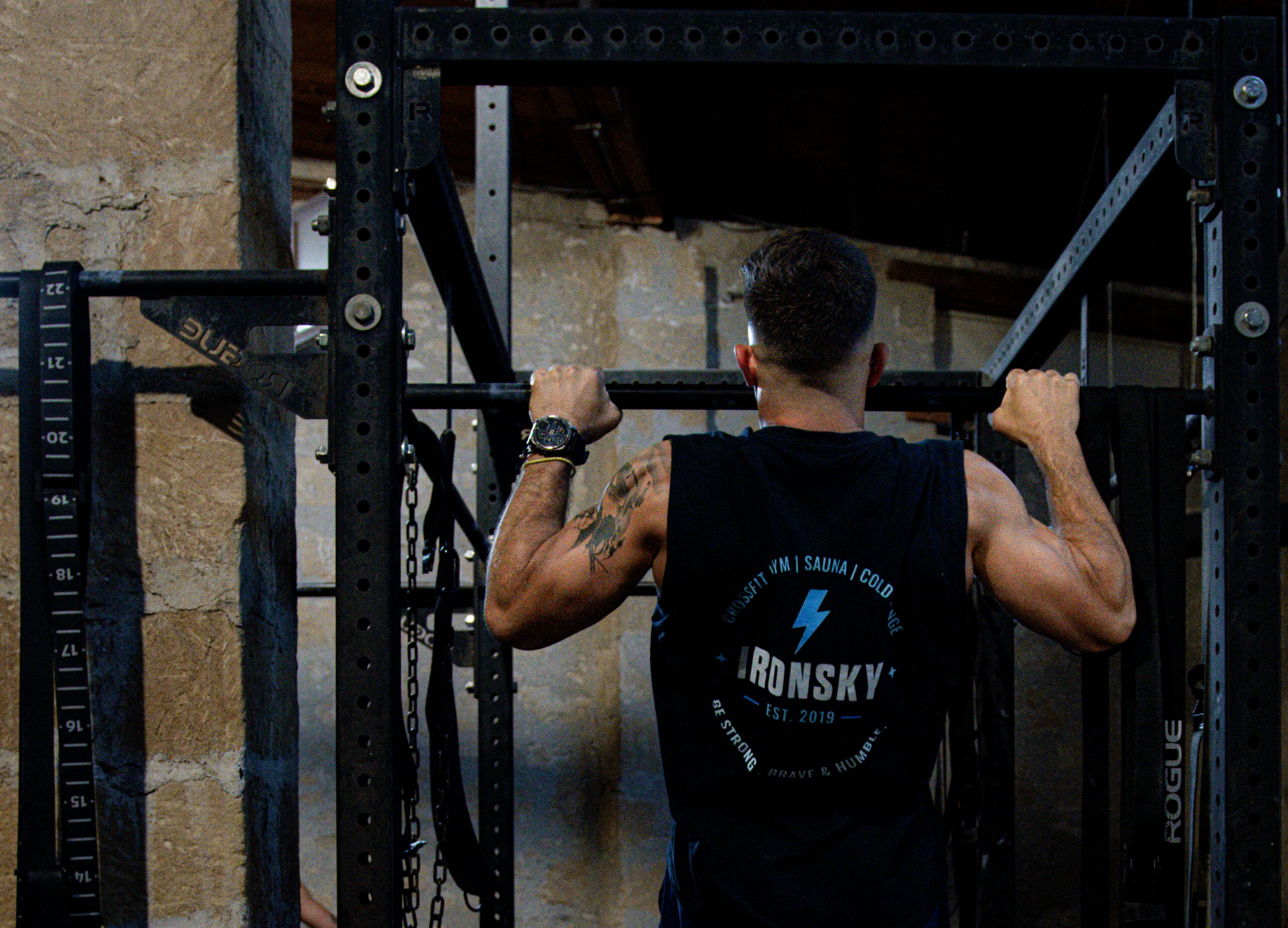



If your warm-up still means five minutes on a stationary bike and a couple of arm circles, it might be time for an upgrade. A mobility flow is a connected sequence of movements that takes your joints through their full range of motion before you start your full workout. Coaches build this kind of warm-up into class programming because it wakes up the exact muscles and joints you are about to load. Let’s dive in.
What Is a Mobility Flow, Really?
It strings together several movements, hips, shoulders, spine and ankles, into one continuous sequence instead of isolating each joint on its own. Think of it as a moving warm-up rather than a hold stretch. You roll through a hip opener, transition into a thoracic rotation, then flow into a shoulder pass-through, all without stopping. The goal is control. A good routine trains your body to move well under load, not just to touch your toes. This matters greatly because static stretching, such as holding a hamstring stretch for thirty seconds before you train, can actually reduce power output right before a lift. A flowing sequence avoids that problem because you are always moving and your nervous system stays primed rather than relaxed, which is exactly the state you want before squats, pull-ups or a heavy clean.
Why Does a Full Body Warm-Up Like This Matter Before You Train?
Cold muscles and stiff joints are a setup for a sloppy squat or a strained shoulder. Moving through a full body mobility flow raises your core temperature, increases blood flow to connective tissue, and rehearses the ranges of motion your workout is about to demand. If today’s session includes overhead pressing, the warm-up should open up your shoulders and thoracic spine. If it includes heavy squats, your hips and ankles need attention.
What Does a Typical Routine Include?
You might start lying down with a gentle spinal twist, move into a deep squat hold, transition to a lunge with a rotation, then finish standing with shoulder and wrist work. A well-built warm-up usually touches on four areas: ankles, hips, the thoracic spine and shoulders. Those are the joints most likely to be stiff from sitting or previous training. None of the individual movements need to be complicated. The value comes from linking them together smoothly, with your breath guiding the pace. Coaches will often adjust the order depending on what the day’s workout demands. A session built around deadlifts calls for more hip and hamstring work up front. A session with handstand practice or overhead lifts calls for extra time on the wrists and shoulders; that’s why a well-coached warm up includes that kind of flexibility in the routine.
How Long Should It Last?
You don’t need thirty minutes to get the benefit. Most effective sessions run somewhere between five and ten minutes, which is enough to move every major joint through a full range without eating into your actual training time. Longer sessions have their place on recovery days or rest days, when a slower, more deliberate mobility flow can double as active recovery. On a normal training day, though, brief and consistent beats long and occasional.
It is not meant to replace your warm-up. It is your warm-up, just a smarter version of it. Traditional warm-ups often default to generic cardio, which raises your heart rate but does little to prepare specific joints for specific movements. This approach does both jobs at once.

What Mistakes Do People Make With Their Warm-Up?
The most common mistake is rushing through it like a box to check. Moving fast without paying attention to your breath or your range of motion turns a useful mobility flow into a wasted five minutes. Another common error is only working the joints that already feel loose and skipping the ones that are actually tight. A coach can spot that far faster than you can on your own, which is one good reason to do this work in a class setting rather than alone in a corner of the gym. A third mistake is copying someone else’s routine without adjusting it. Every body carries tightness differently. So someone who sits at a desk all day usually needs more hip and thoracic work than someone on their feet all shift.
How Often Should You Do It?
Ideally, every time you train. Mobility is not something you fix once and forget. Joints that go unused tend to stiffen back up within days, especially if you spend the rest of your time at a desk. Building this kind of movement into the start of every session, rather than saving it for the days you feel stiff, keeps your range of motion consistent instead of constantly playing catch-up. Some members also add a shorter version on rest days, just five minutes in the evening to keep hips and shoulders from tightening back up between sessions. It does not need to be intense. The point is consistency, not effort, and a few honest minutes most days will do more for your joints than one long session once a month.
Ready to Try a Mobility Flow at IRONSKY?
A good warm-up routine is one of those small habits that prevents a lot of bigger problems, tight hips, cranky shoulders and stiffness that eventually turns into an injury. IRONSKY is a licensed CrossFit affiliate where every class starts with warm-up work built around what the day’s session actually demands. If you want to feel the difference a proper mobility flow makes, follow along with our Full Body Mobility Flow video. If you want to see the difference this can make before a workout session, come try a class at IRONSKY and ask a coach to walk you through it in person.