


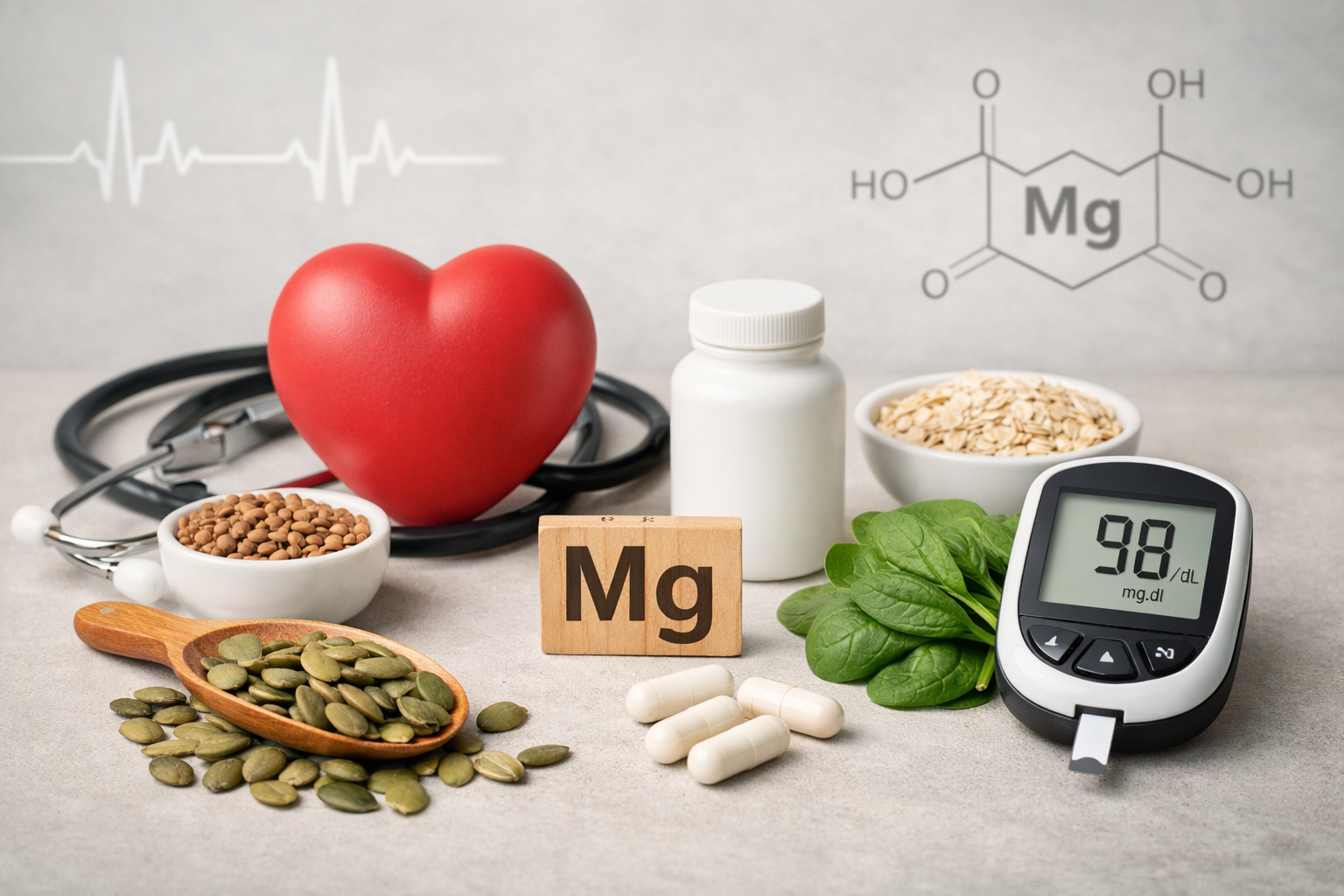
You’ve probably heard that you should be eating more leafy greens, nuts, and whole grains. One of the biggest reasons those foods matter so much is magnesium. Magnesium is involved in more than 300 enzyme reactions in your body. It helps your body produce energy (ATP), regulate your nerves and muscles, and keep key electrolytes like calcium and potassium in balance. Without those essential minerals, your body can’t function well. Understanding magnesium benefits is more than a wellness trend, it’s a contributor to your everyday health.
Can Magnesium Support Heart Health and Blood Sugar Control?
One of the most well-documented magnesium benefits is its role in heart health. Magnesium helps maintain a normal heart rhythm and supports healthy blood vessel tone. Research consistently links better magnesium status with healthier blood pressure and stronger overall cardiovascular function. That’s a big deal when you think about how common heart-related issues are.
Magnesium in regards to how it affects blood sugar, is a newer area of research. Recent meta-analyses in people with type 2 diabetes and prediabetes show that magnesium supplementation may lower fasting blood sugar and improve insulin resistance markers, especially in people who were already low in magnesium to begin with. Of course, this does not mean a cure as research is still developing, but if blood sugar is something you need to address, magnesium benefits are worth discussing with your doctor.
Why Do So Many People Struggle With Low Magnesium?
Simply: our modern diets don’t look the way they used to. We eat fewer nuts, seeds, legumes, whole grains, and leafy greens, which happen to be the top food sources of magnesium. On top of that, stress, heavy exercise, and certain metabolic conditions can actually increase your body’s need for magnesium. So even people who eat reasonably well can still be depleted.
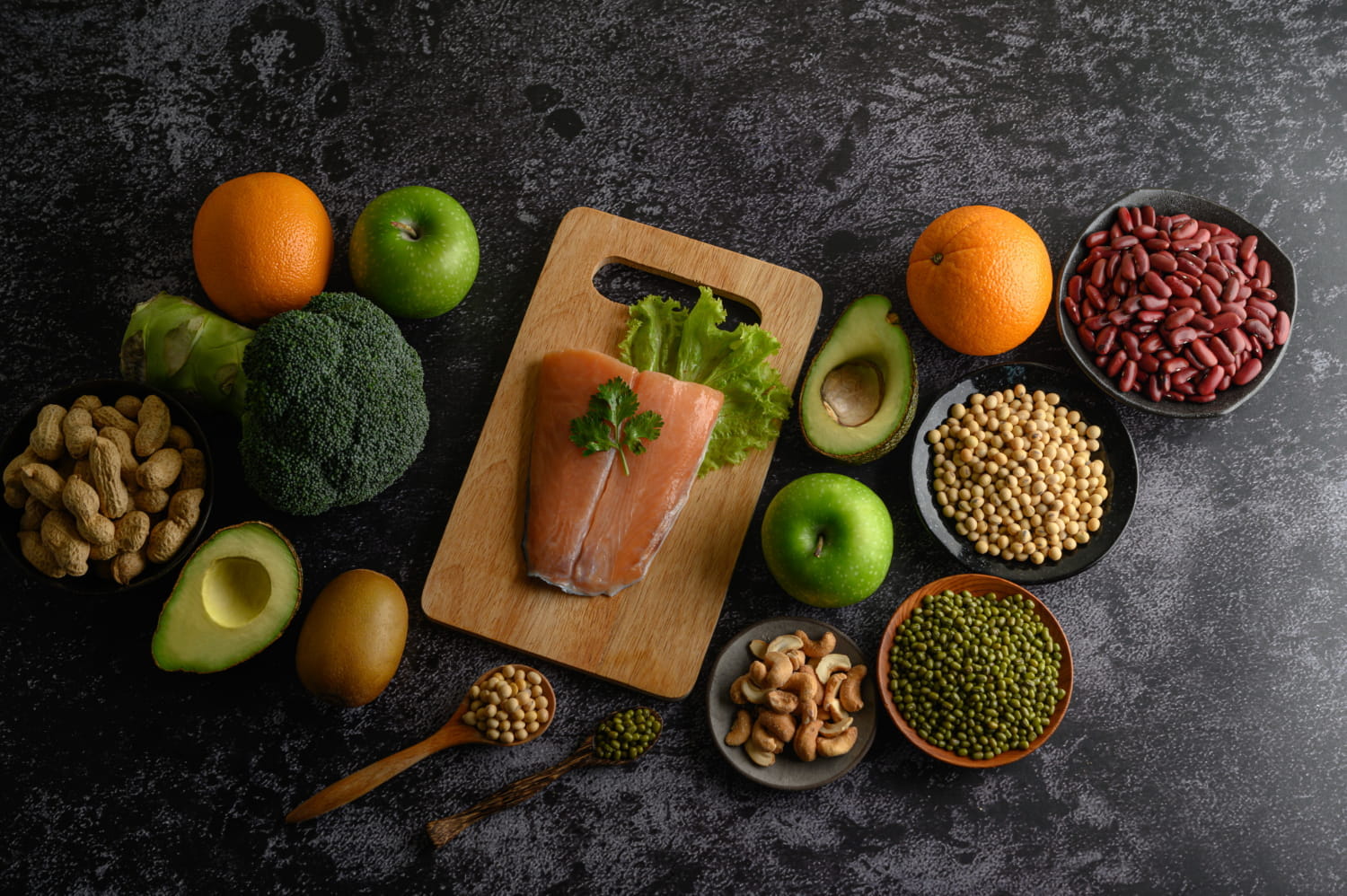
How can you get more magnesium through food?
Pumpkin seeds are one of the richest sources out there, even a small handful goes a long way. Beans and lentils, spinach, and whole grains like brown rice and oats are also excellent choices. Aim to include at least one or two of these in your meals daily whether that’s adding some pumpkin seeds in your salad, including black beans in your dinner, or swapping white bread for whole grain. It doesn’t have to be complicated, a few small adjustments can make a difference.
Should You Consider a Change?
If you’re not getting enough magnesium through food or if you’re dealing with high stress, heavy training loads, or certain health conditions, a supplement may be worth considering. A common starting point is 100–300 mg per day of elemental magnesium, often in the form of magnesium citrate or glycinate, split into one to two doses to reduce the chance of an upset stomach. If you have kidney disease or are taking medications, speak with your doctor first to avoid any problematic interactions. The magnesium benefits are worth it, but doing it safely is the most important.
Whether you’re focused on heart health, blood sugar, energy, or just feeling your best magnesium can have back. Start with food, talk to your doctor if needed, and know that small changes can make a real difference. If you are ready to take your health to the next level, sign up with us at Ironsky Fitness where we can help you build the habits, knowledge, and strength to feel your best inside and out.